
Harbour towns have a way of wearing their history lightly. A chandlery that still sells paraffin, a ferry timetable chalked on a board, a row of cottages built for pilots and their families. Local museums and archives are where that everyday past is kept. They are not usually grand institutions. More often they are a room above a library, a converted sail loft, or a corner of a heritage centre staffed by volunteers who know the difference between a bawley and a billyboy. Their collections preserve photographs, ship records, and oral histories that bring the working lives of port communities into focus. If you have ever lingered on a quayside and wondered who loaded the cargo, who mended the nets, or who waited for the boats to come home, these are the places to start.
Local collections vary enormously, but certain treasures recur. It helps to know what to ask for, because not everything is on open shelving.
Many of these are held at county record offices, local studies libraries, and independent museums. Some are catalogued online; plenty are not. A printed finding aid or an index card box may still be the key. Ask about Lloyd's Register, mercantile navy lists, and local newspaper cuttings – they are often the quickest route to a name or a vessel.
Small archives run on goodwill and careful rules. A little preparation goes a long way. Check opening hours before you travel – many are volunteer-run and open only two or three days a week, sometimes seasonally. Email ahead with your research question. If you are looking for a specific ship, person, or street, say so. Staff can often have documents waiting, or tell you honestly if they hold nothing.
Bring a pencil, not a pen. Laptops and cameras may be allowed, but ask first. Order documents in advance where possible. Use the finding aids and catalogues on site; they will save you hours. Handle everything gently, and use the gloves or supports offered. Be patient with copying – some items are too fragile for the photocopier, and copyright may restrict photography. Above all, talk to the volunteers. They may not have a formal qualification in maritime history, but they often know which ledger mentions the great storm of 1897, and which photograph shows the old lifeboat shed before it was demolished.
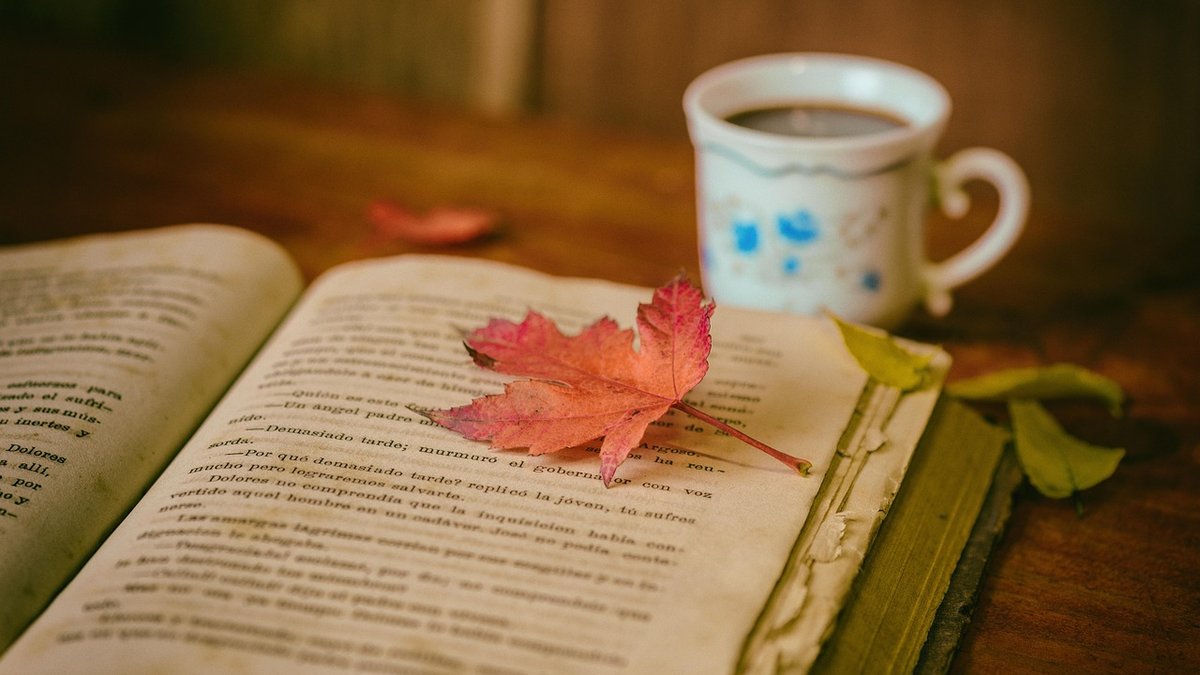
Archives and books belong together. Before you go, read a local history of the harbour or a reprinted memoir by a retired skipper. After your visit, seek out the museum's own occasional papers, transcriptions of oral histories, or a coastal coming-of-age novel that captures the rhythm of tides and seasons. Poetry and nature writing can also sharpen your eye for the shoreline. Charity shops and local libraries are excellent places to find second-hand maritime books, often with a previous owner's notes in the margin. Reading on a bench overlooking the very harbour you have been researching is one of the quiet pleasures of seaside life. It turns a list of names into a story.
Some of the most affecting material in any harbour town collection is not written down. It is recorded – on cassette, minidisc, or digital file – and it preserves dialect, work songs, superstitions, recipes, and the sound of a foghorn. Many museums have listening posts, or you can borrow a tablet and headphones. Transcriptions may be available if you prefer to read. If you have your own memories of the port, consider contributing them. Local archives welcome recollections of fishing, ferries, shipyards, and seaside holidays. Consent and context matter, so speak to a curator first. These voices are what keep the everyday past from becoming a closed book.
Choose a town with a working harbour or a strong maritime past. Check the local museum, the record office, and the library's local studies section. Note their opening days and any need to book a seat or a document. Combine research with a walk: trace the old quay walls, find the site of a lost railway siding, or follow the path that fishermen once took to the pub. Allow time for a pub lunch and a chapter of your book. Smaller museums may open only in summer, so plan around that. Bring a notebook, a pencil, and change for photocopying. Ask about the local history society – they often run talks and walks. The past is not locked away. It is on the shelf, in the drawer, and in the voices of people who still remember. All you have to do is ask.

Hi, my name is Anthony kuber. I am artist and fashion designer.
I love to travel and writing blogging.
Your email address will not be published. Required fields are marked *
Software Developer & Writer
Hey, I'm Diva, a developer and writer blending code and creativity. I'm driven by a deep curiosity and a relentless pursuit of excellence. Join me as I craft digital solutions and captivating stories.


