
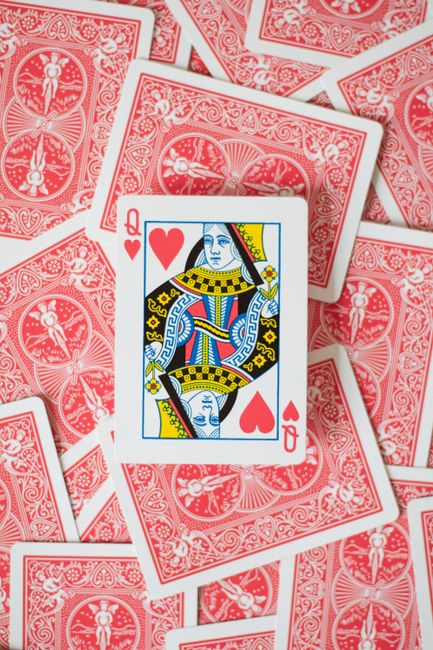
Every casino game on the planet is built on the same uncomfortable truth: the house doesn't need luck, it needs volume. A slot machine with a 4% house edge doesn't care whether you win tonight or lose tomorrow. Over a million spins, that 4% becomes a mathematical certainty, which is why casinos can afford to hand out free drinks and still fly their executives private. Understanding this single concept separates players who gamble for entertainment from players who gamble for a living — and the second group is very, very small.
This guide isn't here to sell you a dream or a system. It's here to walk through how slots, table games, and poker actually work under the hood, where the real edges hide, and how to think about your money in a way that keeps gambling fun instead of financially damaging.
Modern slots are essentially computers wearing a shiny costume. The spinning reels are theater. Every spin result is determined by a Random Number Generator (RNG) the moment you press the button, and the odds are defined by a paytable baked into the software. What players usually care about is Return to Player (RTP), expressed as a percentage. A slot with 96% RTP returns, on average, 96 cents of every dollar wagered over millions of spins. The remaining 4% is the house edge.
Here's where slots get deceptive. Two machines can have identical RTP and feel completely different. That's because of volatility:
A 96% RTP slot with brutal volatility can eat a $200 bankroll in twenty minutes and pay nothing back. Same RTP, different experience. Always check these numbers in the game's help screen instead of trusting the marketing banner. Also worth knowing: online RTPs are often higher than land-based ones, sometimes by 2–3 percentage points, because online operators have far lower overhead. You can read more about it on สล็อต.
Table games have published odds, which means you can calculate the exact cost of every decision. Roulette is the cleanest example. A single-zero European wheel has a 2.7% house edge. The American wheel, with its extra double-zero pocket, jumps to 5.26%. That single pocket effectively doubles the casino's profit margin. If you're going to play roulette, play European.
Blackjack is the outlier because, with perfect basic strategy, the house edge drops to roughly 0.5% — and with card counting in a single-deck game, the edge can flip to the player. Casinos know this. That's why most modern games use six to eight decks, shuffle early, and pay 6:5 on blackjack instead of 3:2. Paying 6:5 on a $10 bet returns $12 instead of $15. That small change alone adds more than 1% to the house edge.
Basic strategy is not gambling advice from a forum; it's math. Memorizing the correct play for every starting hand against every dealer upcard takes a few hours and is arguably the single most valuable thing a casual player can do.
Poker is different because you're not playing the house. You're playing other people, and the house just takes a cut (the rake). That rake is a drag on your win rate, but it doesn't make the game unbeatable. If you're consistently better than your opponents, you profit.
The uncomfortable part is that most players are not better than their opponents. They think they are because they remember the hands they won, not the ones they bled chips on. Realistic thinking about poker means accepting a few hard truths:
Cash games reward patience and discipline. Tournaments reward aggression and survival. They are not the same game with different structures; treat them as separate disciplines.
Welcome bonuses look generous until you read the wagering requirements. A $500 bonus with 40x wagering and a 20% slot weighting isn't a $500 gift; it's a conditional loan you'll usually fail to clear. Before claiming anything, check three numbers: wagering requirement, game weighting, and maximum cashout. If a bonus says slots count 100% but table games count 5%, it's telling you exactly how it wants you to play — and it's not in your favor.
Cashback and rakeback programs, on the other hand, are often genuinely valuable. If a site returns 5–10% of your net losses weekly, that's a real reduction in house edge, especially for high-volume players.
None of this matters if you treat gambling as a way to make money you need. The moment you're chasing rent money, every decision gets worse. A few habits worth building:
The players who last in iGaming aren't the luckiest ones. They're the ones who understand the math, respect variance, and never bet more than they can shrug off. Entertainment is the point. The moment it becomes survival, you've already lost the only edge that mattered.

Hi, my name is Anthony kuber. I am artist and fashion designer.
I love to travel and writing blogging.
Your email address will not be published. Required fields are marked *
Software Developer & Writer
Hey, I'm Diva, a developer and writer blending code and creativity. I'm driven by a deep curiosity and a relentless pursuit of excellence. Join me as I craft digital solutions and captivating stories.


