
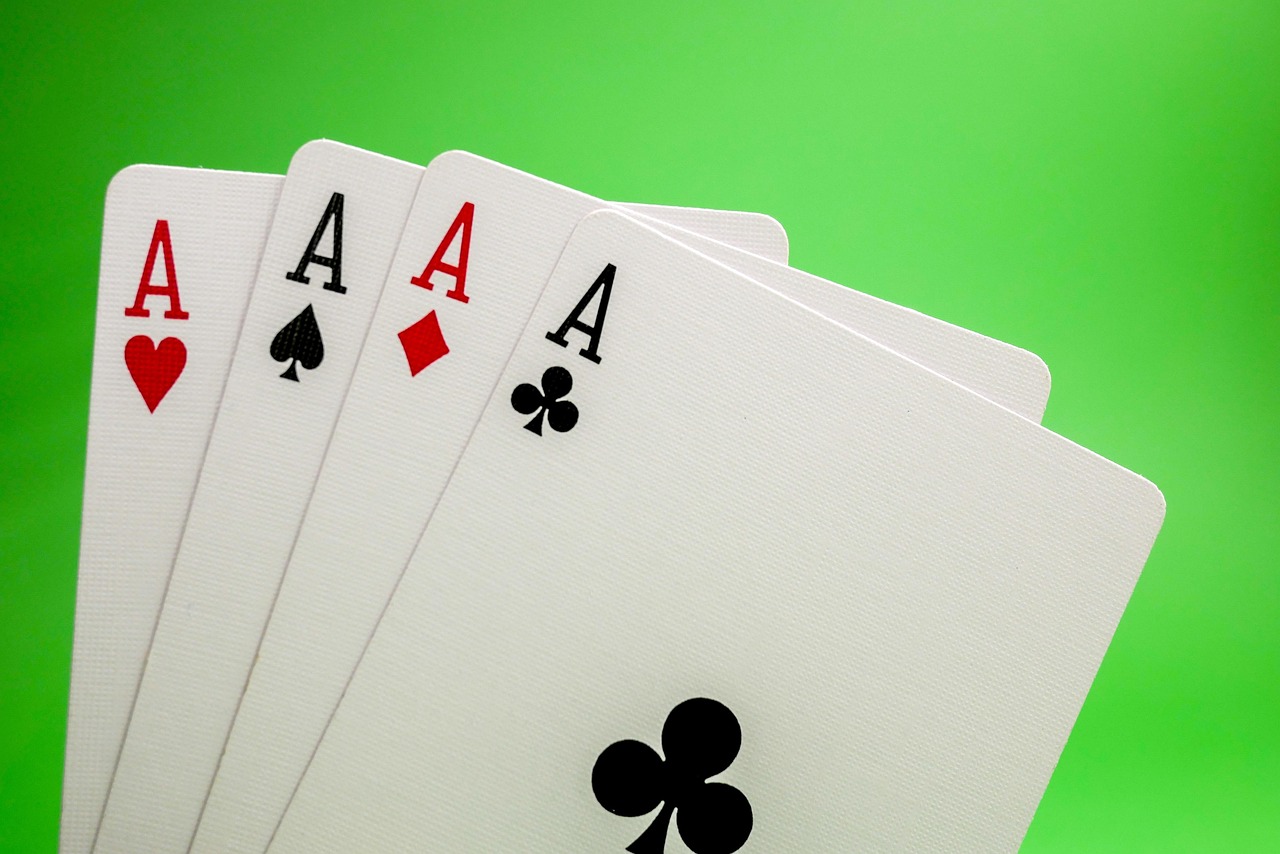
Ask ten gamblers why they play and you'll get ten different answers. The slots player loves the noise and the lights. The poker grinder loves outsmarting nine other people at the table. The sports bettor loves the sweat of a last-minute goal. But strip away the psychology and the rituals, and every one of them is doing the same thing: paying for entertainment while hoping variance breaks their way. Understanding how that math actually works is the difference between a hobby you can sustain and a slow bleed you can't.
Slots are the most misunderstood game in the building. Players hunt for "hot" machines and avoid "cold" ones, but the RNG doesn't care. Every spin is independent. What actually varies between machines is the RTP (return to player) and the volatility. You will find a helpful summary at rik vip.
Online slots typically sit between 94% and 97% RTP, while many physical casino floor machines run closer to 88-92%. That gap matters more than most people realize. On a $2 spin, a 96% RTP slot costs you roughly $0.08 per spin in expected value. At 500 spins an hour, that's $40/hour in theoretical loss. On an 88% machine, the same pace burns $120/hour in expected value. Same game, same fun, triple the cost.
Volatility is the other axis. A low-volatility slot pays small amounts frequently — think Starburst or most classic three-reelers. High-volatility slots like Money Train or San Quentin might give you 90% dead spins followed by a single 2,000x hit. Neither is better; they just deliver the same RTP with different variance profiles. If your bankroll is $50, playing a high-volatility slot at $2 a spin is a recipe for ninety seconds of entertainment.
Poker is different in a fundamental way — you're not playing against the house. You're playing against other players and paying the rake. That single fact changes everything. A good player can win long-term because the money flows from weaker opponents, not from an unbeatable edge.
The rake is the silent killer. In a live $1/$2 game, a 10% rake capped at $5 means a $100 pot costs $5. Over four hours, if you're in twenty pots, that's $100 gone before cards even matter. Online cash games have lower rakes (typically 5% capped at $2-3), which is one reason serious grinders prefer playing behind a screen.
The tournament scene is a different animal — high variance, low buy-ins, huge potential payouts. Winning a $50 buy-in tournament with 1,200 runners might pay $9,000, but you'll final-table it once every few hundred attempts. The EV is real; the emotional rollercoaster is realer.
Casino comps sound generous until you do the math. A typical slots player earns 0.1% to 0.3% of coin-in as comp value. So running $10,000 through a machine earns you $10-$30 in free play or a mediocre buffet. Sports bettors get even less — most books offer minimal rewards unless you're betting five figures a month.
The trick is to combine comps with promotions and bonus cash, which is where the real edge can appear. Matched betting, welcome bonus arbitrage, and low-risk free bet conversions have given sharp bettors legitimate profit streams for years. Bookmakers have tightened terms (higher wagering requirements, smaller max bets on promotions, odds restrictions), but the strategy still works if you read the fine print.
Slot designers are not subtle about it. Near-miss animations, celebratory sound effects on small wins, and the "losses disguised as wins" mechanic — where a $1.50 payout on a $2 spin triggers the same fanfare as a jackpot — all manipulate the same dopamine pathways. They're effective. That's why slots make up 60-80% of casino revenue in most markets.
Poker and sports betting attract a different psychology: the illusion of control and the satisfaction of analysis. But the trap is the same — chasing losses, playing above your bankroll, believing that a bad run is about to turn. Session timers, stop-loss limits, and mandatory breaks are not buzzkill nanny features. They're the tools that separate people who still enjoy gambling in five years from people who don't.
Nobody sits down at a slot machine expecting to retire. Nobody signs up for a $20 tournament expecting to quit their job. The honest players know this. They treat the money as entertainment expense, the same way they'd treat a concert ticket or a weekend away.
That reframe changes everything. If you're spending $200 on a Saturday night out, whether it goes to a bar, a restaurant, or a slot machine doesn't matter much in the grand scheme. What matters is that you don't spend $2,000 the next night trying to win the first $200 back. The math was never on your side in a pure gambling game. The only edge you control is the one you set for yourself — the bankroll limit, the time limit, and the willingness to walk away while the fun is still fun. Everything else is just noise and lights.

Hi, my name is Anthony kuber. I am artist and fashion designer.
I love to travel and writing blogging.
Your email address will not be published. Required fields are marked *
Software Developer & Writer
Hey, I'm Diva, a developer and writer blending code and creativity. I'm driven by a deep curiosity and a relentless pursuit of excellence. Join me as I craft digital solutions and captivating stories.


