
Ask ten casino players what "RTP" means and you'll get ten confident answers, most of them wrong in a way that costs real money. The return-to-player percentage is not a promise, not a target, and certainly not a schedule. It's a long-run statistical average baked into the math model of a slot, a table, or a video poker paytable — and understanding how it actually works changes how you bet, how long you play, and how you judge whether a game is worth your time.
Let's cut through the mythology. Here's what the numbers really say, and how to use them without turning every session into a spreadsheet exercise.
A slot with 96% RTP does not hand you back 96 cents for every dollar you feed it. Over millions of spins, the aggregate payout converges toward that figure. Over your 400 spins on a Friday night, variance is king. You might finish 40% up. You might finish 60% down. Both outcomes are perfectly consistent with a 96% machine.
The practical takeaway: RTP tells you which games are structurally friendlier over time, not which games will treat you well tonight. Two slots can share the same 96% RTP and behave wildly differently in a single session. One might be a high-volatility beast that pays nothing for 300 spins and then drops a 2,000x bonus. Another might be a low-volatility grinder that bleeds you slowly with frequent small wins. Same RTP, completely different experience.
Industry data from test labs like eCOGRA and GLI shows that most modern online slots cluster between 94% and 97%, with a few notorious outliers dipping to 92% and a handful of "high RTP" variants pushing 98%+ — often as promotional versions with reduced features. That gap matters more than people think. สล็อต covers this in more detail.
House edge is just 100% minus RTP. A 96% slot has a 4% edge. A 94% slot has a 6%. That sounds trivial until you do the math on volume.
This is why bankroll management is not a personality trait — it's arithmetic. If you sit down with $200 and bet $2 per spin, you have 100 units. On a 96% slot with average volatility, you have a reasonable shot at a two-to-three-hour session. On a 92% slot with high volatility, you might be done in twenty minutes.
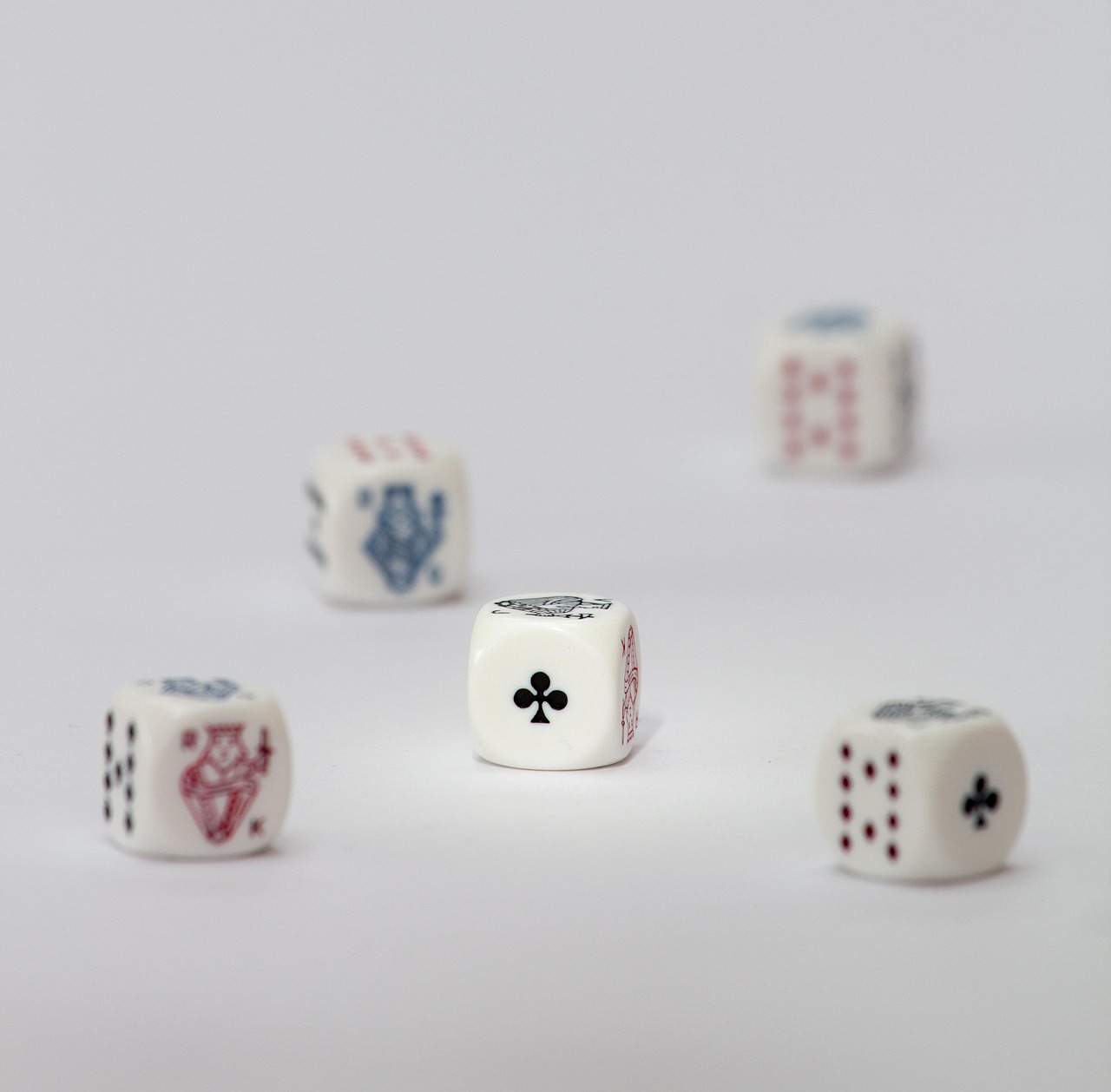
Slots and most casino table games are pure negative-expectation entertainment. Poker is the exception. In cash games, you're not playing against the house — you're playing against other humans, and the house takes a rake. That single structural difference means a skilled player can be profitable over the long run.
But "poker is beatable" gets oversold. Consider what it actually takes:
Tournaments flip the math again. The rake is baked into the buy-in, but the prize pool is top-heavy. You're trading a small edge across thousands of hands for a shot at a big score. Both formats are legitimate; they just require different bankrolls and different temperaments.
If you bet on sports, the single highest-ROI habit you can develop is line shopping. The difference between -110 and -105 on the same side of a game doesn't sound like much. Over 500 bets at $100 each, it's the difference between losing roughly $2,270 and losing roughly $1,190 — assuming a 50% win rate both ways. That's over a thousand dollars recovered simply by opening a second sportsbook app.
Beyond line shopping, the structural edges in sports betting come from:
What doesn't work: chasing steam, betting parlays because they're fun, or believing you have an edge on your favorite team. The vig on parlays compounds fast — a 5-leg parlay at -110 each leg carries a house edge north of 20%.
Most players never open the paytable on a slot. Big mistake. It tells you almost everything:
For table games, the equivalent is knowing the house edge of every bet on the layout. In blackjack, that means avoiding insurance (5.9% edge) and understanding that 6:5 payouts on blackjack add roughly 1.4% to the house edge — enough to turn a beatable game into a losing one. In roulette, it means knowing European single-zero (2.7% edge) beats American double-zero (5.26%) every time.
Here's the framework I'd hand a friend before their first serious session:
None of this is glamorous. It's the unsexy plumbing that separates players who treat iGaming as entertainment from those who treat it as a slow leak.
The games are designed to be fun, and they are. Slots deliver adrenaline, poker delivers a mental duel, betting delivers the drama of a live event. But the math underneath never sleeps. Respect it, understand it, and you'll get more enjoyment out of every session — and fewer regrets when you log off.

Hi, my name is Anthony kuber. I am artist and fashion designer.
I love to travel and writing blogging.
Your email address will not be published. Required fields are marked *
Software Developer & Writer
Hey, I'm Diva, a developer and writer blending code and creativity. I'm driven by a deep curiosity and a relentless pursuit of excellence. Join me as I craft digital solutions and captivating stories.


